Why Every Pelvic Care Acupuncturist Needs A 3d Pelvic Model In Practice
A Visual Tool That Elevates Education, Consent, and Clinical Confidence
In pelvic care, how we explain the body matters just as much as what we treat. Pelvic anatomy is complex, layered, and often unfamiliar to patients—especially those who have never been shown what their pelvic floor actually looks like in three dimensions.
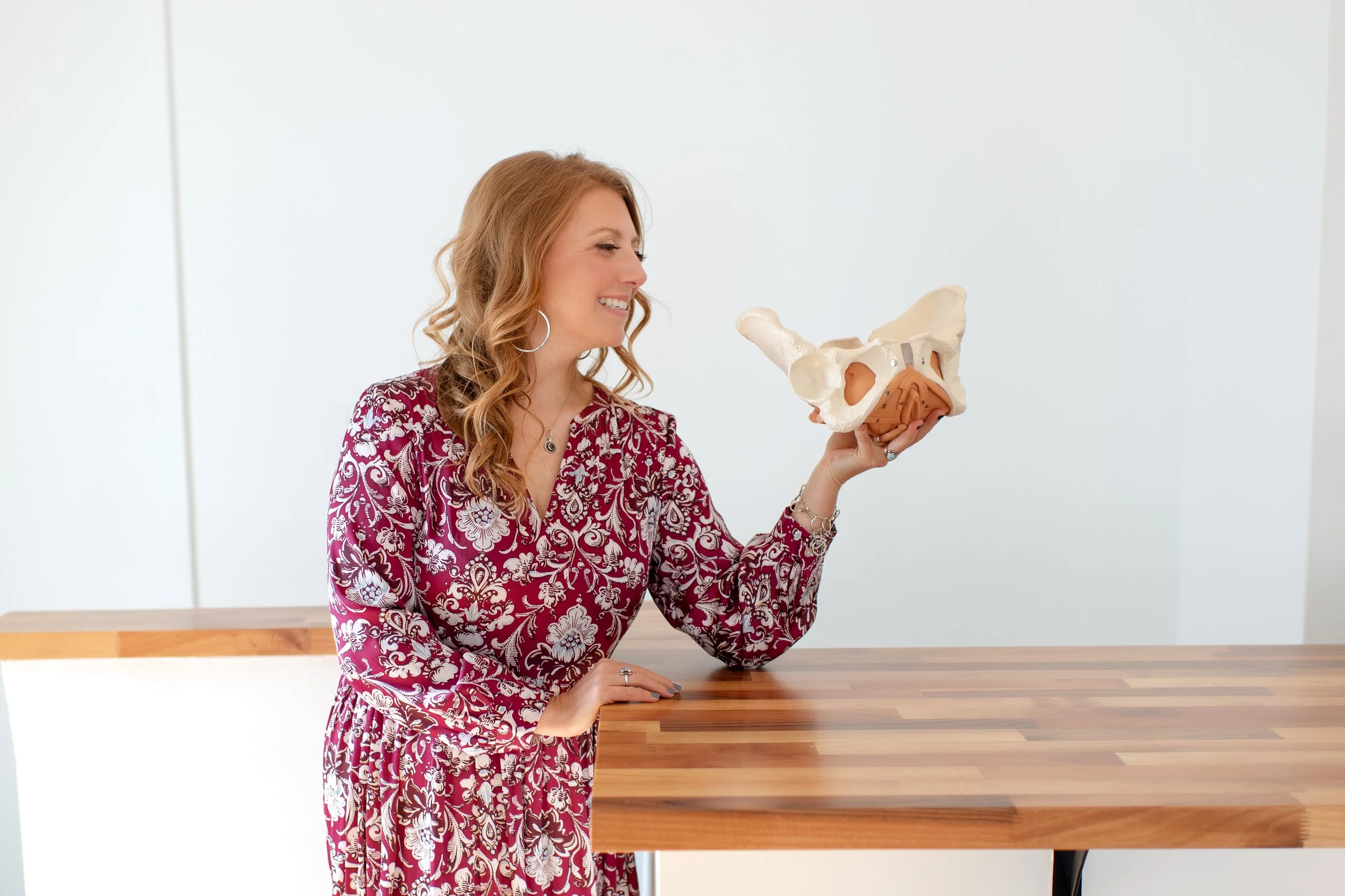
This is where a high‑quality 3D pelvic model becomes one of the most valuable tools in a pelvic care acupuncture practice.
For Pelvic Acu graduates, a pelvic model isn’t just a teaching aid—it’s a bridge between anatomy, trust, and truly informed care.
Why Visual Learning Matters in Pelvic Care
Many patients arrive with:
Limited anatomical education
Confusion between organs, muscles, and bones
Shame, fear, or disconnect from their pelvic region
Verbal explanations alone often fall short. A 3D model allows patients to see, orient, and understand their own body in a way that words and diagrams simply can’t.
When patients understand what you’re treating, they’re more engaged, more compliant, and more empowered in their healing process.
Benefits of Using a 3D Pelvic Model in Your Practice
1. Improves Patient Education & Understanding
A physical pelvic model helps patients:
Visualize the relationship between the bladder, uterus/prostate, rectum, and pelvic floor muscles
Understand depth, layers, and orientation
Make sense of symptoms like pain, pressure, leakage, or prolapse
This is especially impactful when explaining conditions such as:
Pelvic pain
Incontinence
Prolapse
Postpartum or post‑surgical changes
2. Enhances Informed Consent
Ethical pelvic care requires clear, transparent communication.
Using a model allows you to:
Show where and why you are treating
Explain internal vs. external approaches visually
Clarify boundaries and expectations before hands‑on care
This fosters trust and ensures patients feel safe, respected, and fully informed.
3. Supports Trauma‑Informed Care
For many patients, pelvic care can feel vulnerable or activating.
A model helps by:
Creating distance between explanation and the patient’s body
Allowing learning without immediate physical touch
Giving patients autonomy to ask questions before treatment begins
This aligns seamlessly with trauma‑informed pelvic care principles taught in Pelvic Acu training.
4. Builds Practitioner Confidence
For newer pelvic care providers—or those expanding into this specialty—a 3D model reinforces:
Anatomical accuracy
Clear communication
Professional credibility
It also supports confident explanations when collaborating with:
Other healthcare providers
Physical therapists
Midwives, doulas, and physicians
5. Elevates the Professional Experience
A visible pelvic model signals to patients that:
You are trained
You take pelvic health seriously
Your practice is education‑forward and evidence‑informed
Small details like this can significantly elevate perceived expertise and patient trust.
Our Recommended 3D Pelvic Model
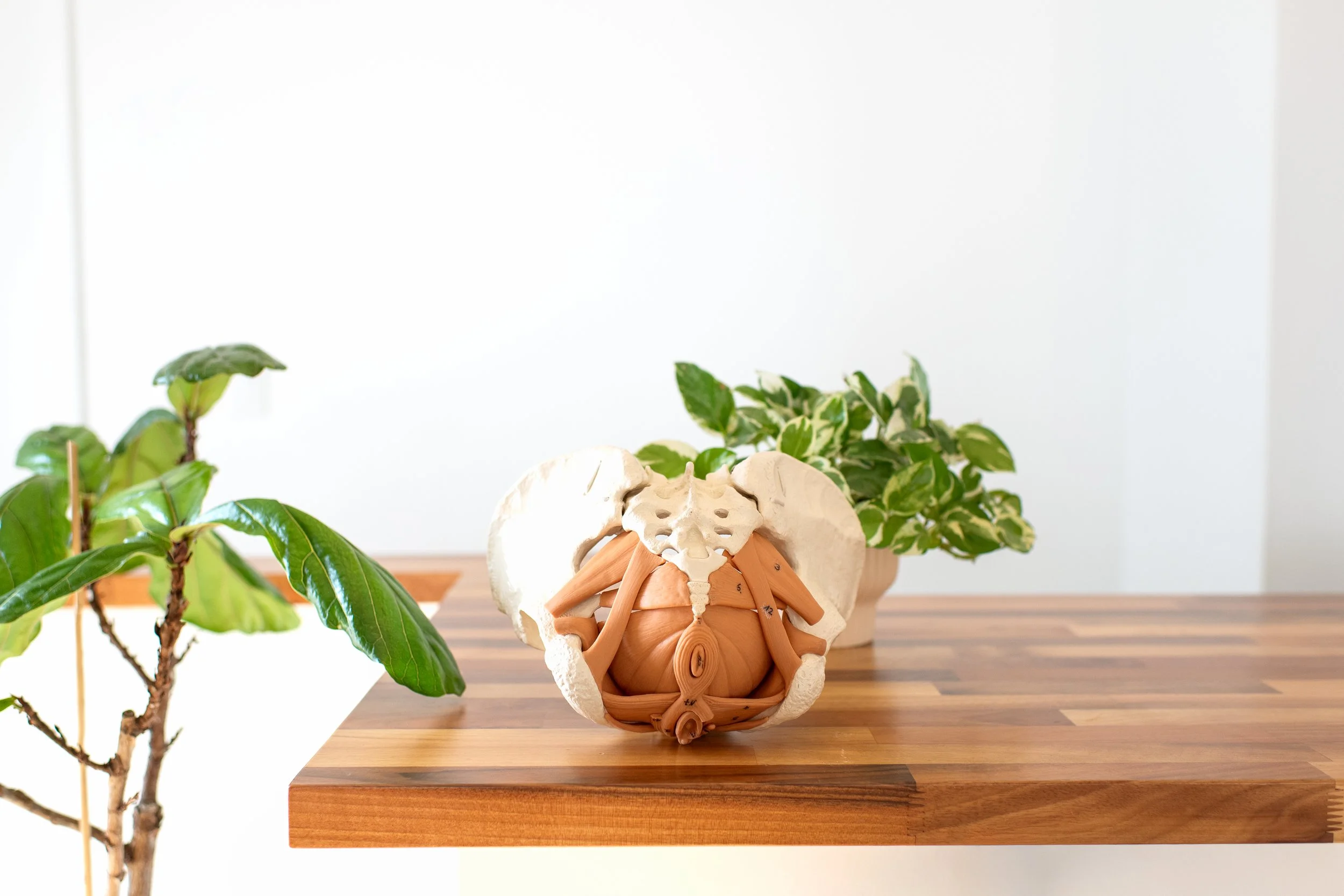
For Pelvic Acu graduates, we recommend a high‑quality female pelvis model with detailed pelvic floor musculaturethat clearly shows:
Bony landmarks
Pelvic organs
Pelvic floor muscle layers
This specific model is durable, anatomically precise, and ideal for both patient education and practitioner reference.
📌 You’ll find our affiliate link below—using it supports Pelvic Acu while providing you with a trusted teaching tool for your practice.
How to Use a Pelvic Model During Appointments
Some practical ways to integrate it into your sessions:
Use it during initial intakes to explain anatomy
Reference it when discussing treatment plans
Show progress and goals over time
Use it as a neutral teaching tool before internal work
Even 2–3 minutes of visual explanation can dramatically change a patient’s understanding and comfort level.
A Tool That Aligns With Pelvic Acu Values
Pelvic care acupuncture is about more than symptom relief—it’s about education, autonomy, and respectful care.
A 3D pelvic model supports:
Ethical practice
Trauma‑informed care
Confident clinical communication
Elevated patient experience
For Pelvic Acu graduates, this is not an optional extra—it’s a foundational tool that supports the standard of care we teach. Pelvic Acu graduates receive access to resources designed to support sustainable, ethical pelvic care in practice.